Transforming Trash into Treasure: The New Age Alchemy of Silver Recovery
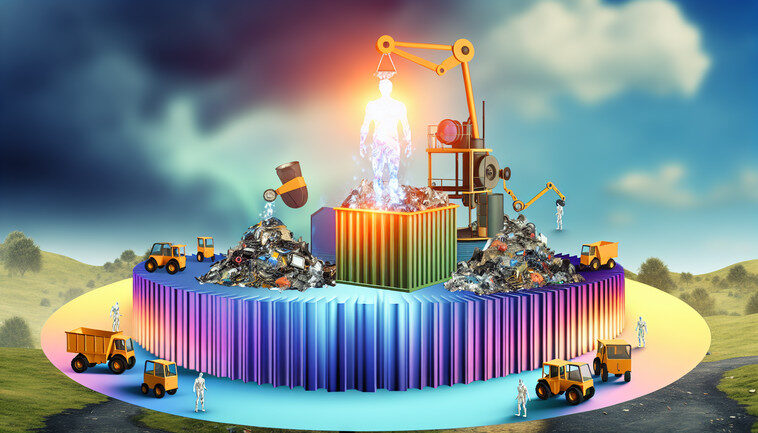
In a world constantly seeking sustainability, the age-old practice of mining may have found an innovative alternative. Recent technological advancements have unlocked the potential to convert e-waste and waste oil into valuable silver. This novel approach not only promises to mitigate environmental pollution but also offers a fresh source of this precious metal.
The modern dependency on technology has resulted in mountains of e-waste, laden with metals that served a purpose in their initial life cycle. On the other hand, waste oil, often considered a pollutive by-product, has found itself a new role in this contemporary alchemy. By merging these two waste streams, scientists are discovering methods to extract metals that were previously thought to be at the end of their functional life.
Research shows that e-waste like old phones, computers, and other obsolete electronics contain significant quantities of metals, including silver. But extracting them is no small feat, requiring meticulous processes. However, when combined with waste oil, the recovery of silver not only becomes economically viable but environmentally advantageous. This dual waste utilization turns a problematic burden into a promising resource.
The implications of this breakthrough are immense. Traditionally, mining for silver is an energy-intensive process associated with considerable ecological impact. The juxtaposition of using e-waste and waste oil could potentially reshape the industry, reducing the necessity for new mining operations and minimizing environmental footprints. This approach exemplifies a circular economy, where waste is no longer discarded but reintegrated as a valuable commodity.
Moreover, the economic benefits of such an innovation cannot be understated. The process allows companies to reclaim valuable metals from a seemingly endless supply of waste. This could significantly lower production costs and even inspire new industries focused on the retrieval of other valuable elements from e-waste, further promoting sustainable economic models.
Despite its potential, challenges remain. The technology must be scalable to make a meaningful impact, and regulation will need to keep pace with innovation to ensure safe implementation. Collaborative efforts between governments, industries, and scientists are essential to refine this process and pave the way for its widespread adoption.
In conclusion, converting e-waste and waste oil into silver is more than an innovation—it’s a testament to human ingenuity and our ability to reshape the future. Embracing this form of resource recovery not only emphasizes sustainable practices but also highlights the untapped potential lurking within our own refuse. As we continue to explore and develop such technologies, we move one step closer to safeguarding our planet while perpetuating progress.

Related Posts