AI Teachers: The Robotic Reluctance and Human Potential
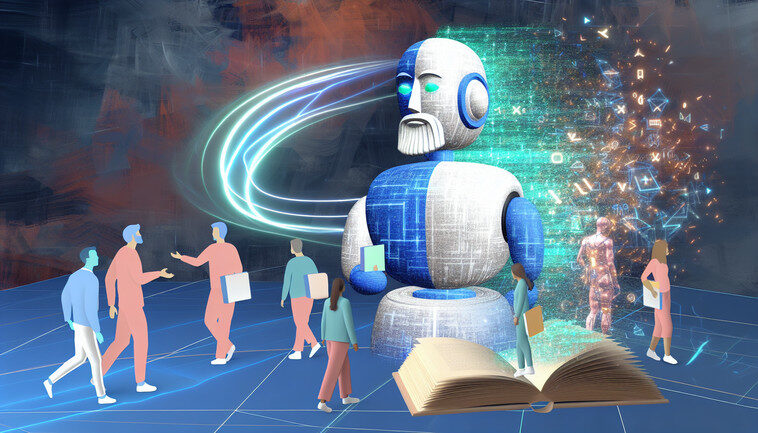
Artificial Intelligence has seeped into countless aspects of daily life, including the realm of education. However, while AI chatbots like those resembling a digital Socrates claim to guide learning, they often fall short of being effective educators. The problem lies in their inherent nature—programmed for task-specific precision, AI chatbots often lack the spontaneity and adaptability that characterize impactful teaching.
One of the primary drawbacks is the rote delivery of responses. AI chatbots are exceptional at regurgitating factual information but often fail to offer the kind of intellectual stimulation that fosters deeper understanding. It’s as if they carry a comprehensive map but have never wandered the landscape themselves. Their responses remain superficial, often leaving inquisitive minds wanting more.
This limitation offers an intriguing opportunity for human educators. Rather than vying for the AI’s presumed prowess, teachers can position themselves as guides who can ignite curiosity, facilitate philosophical discussions, and provide nuanced analysis—tasks that AI chatbots currently struggle with. By leveraging what machines lack, human teachers can turn their classrooms into vibrant workshops for critical thinking.
Moreover, AI chatbots can inspire teachers to introspect and identify areas where human instruction truly excels. These chatbots serve as a technological mirror reflecting our educational imperfections yet also illuminating the unique abilities that make human teachers indispensable. The imperative then is to harness our strengths in empathy, creativity, and adaptability to provide students with a more holistic learning experience.
The solution lies not in perfecting AI to replace teachers, but in optimizing both to work symbiotically. AI chatbots can manage routine tasks such as answering straightforward queries or providing students with tailored quizzes. This frees up time for educators to focus on designing engaging and interactive projects that challenge students intellectually and emotionally.
In this blended environment, educators can use AI’s data-crunching capabilities to assess learning patterns and preferences, tailoring their instructional approaches accordingly. With real-time insights, teachers can offer more personalized guidance, adapting lesson plans to suit varied learning styles—a feat no AI can achieve on its own.
In conclusion, while AI chatbots may lack the adaptability and emotional warmth crucial to teaching, this perceived weakness actually highlights the irreplaceable value of human educators. By embracing technology as an ally rather than rival, teachers can create an enriched educational ecosystem where both AI and human ingenuity are leveraged to inspire, engage, and educate the learners of tomorrow.

Related Posts