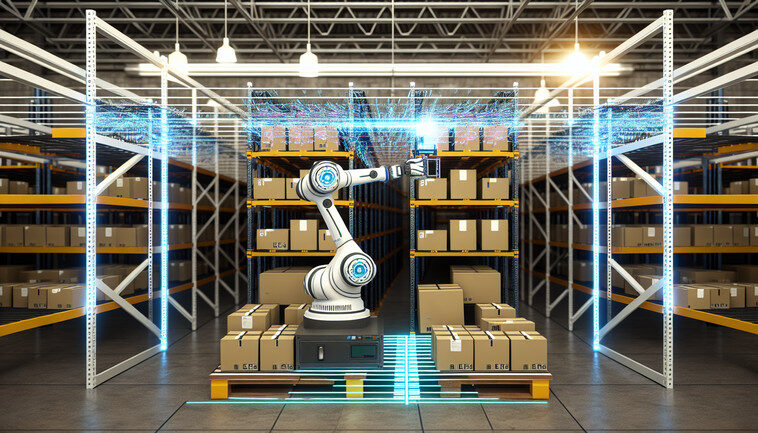
Counting on Automation: A Revolution in Inventory Precision
In an era where efficiency and precision reign supreme, automation has become the backbone of countless industries. From manufacturing to logistics, the ability to automate routine tasks has served as a catalyst for increased productivity and reduced errors. One such task ripe for automation is the counting of objects. Traditionally labor-intensive, this task has seen a transformative shift with the advent of advanced technology, taking center stage in operational innovation.
The challenge of counting is not new. Businesses have long grappled with the need for accuracy while managing large inventories of disparate items. The traditional methods often relied on human labor, introducing an inherent margin for error. Recognizing this, innovators have turned their focus to creating systems that not only count but do so with agility and precision, capable of handling hundreds of different items swiftly.
Enter smart counting systems—these are not just simple automation tools; they are equipped with powerful image recognition, machine learning, and sophisticated algorithms. These systems redefine efficiency by quickly identifying and counting a vast array of items, no matter their size or shape, with an accuracy that human observers simply cannot match. This leap in technology means companies can now manage their inventories with newfound clarity and precision.
The impact of automated counting systems extends beyond just speed and accuracy. By leveraging data analytics, these technologies provide valuable insights that drive strategic decision-making. Real-time inventory tracking leads to better resource management and minimizes waste, positively influencing both the bottom line and environmental footprints. For instance, companies can quickly pinpoint stock levels, reorder items proactively, and align their production schedules with demand, thus optimizing supply chain efficiency.
While the technological potential is immense, there are challenges that need addressing. Integration within existing systems poses a significant hurdle. Businesses must ensure that new automation tools align seamlessly with their current operations, requiring investment not only in technology but also in training. Moreover, there is an essential need for ongoing maintenance and calibration of these systems to maintain accuracy over time.
However, the benefits of adopting automated counting far outweigh these challenges. Businesses that have embraced these technologies report improved accuracy in inventory counts, a reduction in labor costs, and enhanced customer satisfaction due to fewer stock discrepancies. This seamless operation creates a significant market advantage, leading to increased competitiveness in their respective fields.
In conclusion, automating the process of counting objects is transforming industries reliant on inventory management. As technology continues to evolve, its ability to handle complex, multi-object environments will only improve, paving the way for even more sophisticated systems. Companies that invest early in these systems not only position themselves at the technological frontier but also secure a strategic advantage in navigating the demands of the modern market landscape. The future of counting is automated, precise, and infinitely adaptable, making it a vital component of any forward-looking business strategy.

Related Posts