Understanding Death Stranding: Themes, Gameplay, And Community Impact
Introduction to Death Stranding
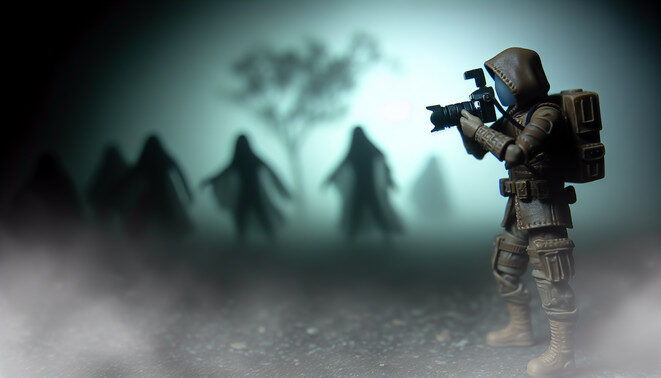
Death Stranding, directed by Hideo Kojima, presents a post-apocalyptic world where ghostly creatures, known as BTs (Beached Things), stalk the landscape. Set in a near-future America, the game follows Sam Porter Bridges, played by Norman Reedus, whose mission is to reconnect isolated cities fragmented by a mysterious event called the Death Stranding. Players traverse a vast and surreal environment filled with various challenges, emphasizing themes of isolation, connection, and the human condition (Synaptech Labs).
Gameplay Mechanics and Features
The gameplay mechanics in modern gaming have evolved significantly, introducing innovative systems that enhance player experience. One notable element is the Strand System, a unique gameplay mechanic allowing players to manipulate environments and interact with the world in unprecedented ways. This system empowers players with various abilities, creating dynamic gameplay opportunities. The design emphasizes a blend of strategy and creativity, encouraging players to explore multiple solutions to challenges.
Traversal methods have also seen a significant overhaul. Players now enjoy versatile navigation options, including wall-running, grappling, and using environmental elements to enhance mobility. These traversal techniques not only speed up gameplay but also add layers of depth to exploration and combat, making every encounter unique and engaging.
Resource management plays a crucial role in gameplay, requiring players to balance their inventory items and currency. This adds a strategic layer, where decisions must be made about what to carry or use. Efficient resource management often leads to improved chances of success in missions and quests, enabling players to thrive in competitive environments (Synaptech Labs).
Art and Design: A Visual Journey
Art and design play a crucial role in enhancing the immersive experience of video games, particularly in how they shape character designs, artistic styles, and world-building. Games such as Ori and the Blind Forest stand out for their hand-painted artwork and emotive character designs, creating a striking visual narrative that draws players into the game world. The landscape itself often becomes a character, rich with lore and atmosphere that invites exploration.
In terms of character design, games like The Legend of Zelda: Breath of the Wild showcase how diverse visual styles can reflect the underlying cultures and environments within the game. Each character’s design conveys personality and backstory, seamlessly integrating with the world they inhabit.
World-building, on the other hand, is equally pivotal, as seen in titles such as Dark Souls and Minecraft. They combine aesthetics with gameplay mechanics to create worlds that feel alive and interconnected. In Dark Souls, environmental storytelling—through decaying ruins and subtle visual clues—encourages players to piece together the game’s lore on their own. Meanwhile, Minecraft emphasizes creativity and customization, allowing players to build unique structures that impact their world visually and physically.
Through a collaborative blend of these elements, gaming art and design elevate storytelling, making the experience more engaging. For an in-depth exploration of the influences of art in gaming, consider articles like the reflection on L.A. Noire and its unique artistry or explore the elements that make Ori and the Blind Forest special.
Themes and Symbolism
The themes and symbolism embedded within narratives often reflect profound insights into the human condition. Isolation serves as a prevalent theme, articulating the complex emotional landscapes of characters burdened by loneliness and the search for connection. This sense of detachment amplifies the struggle for identity and understanding in an increasingly fragmented world. For instance, narratives that explore isolation can reveal how it both fosters self-discovery and heightens feelings of despair, illustrating the paradox of being alone in a crowd.
Conversely, connection is another vital theme that operates in tandem with isolation. It underscores the necessity of relationships for emotional wellbeing and personal growth. Various works depict the transformative power of human connections, where characters who reach out forge bonds that enrich their lives. This interplay highlights the universal need for companionship, emphasizing that while solitude can be a source of strength, it is the connections we cultivate that truly define our experiences.
Moreover, the human experience itself is a foundational theme, encapsulating a range of emotions and life stages. It invites readers to reflect on their own lives and interactions within their communities. Symbolism often enhances these themes; for example, objects or recurring motifs can represent deeper struggles or aspirations. In literature, the use of familiar settings can evoke nostalgia while simultaneously challenging characters to confront their realities (Synaptech Labs).
Community and Impact
Death Stranding has made a significant impact on the gaming community and culture since its release in November 2019. The game’s reception was polarizing; while some praised its innovative gameplay and visual storytelling, others criticized its slow pace and unconventional mechanics. Critics lauded the artistic ambition of Hideo Kojima, highlighting the game’s exploration of themes like connectivity and isolation, which resonated with many players during a time of global upheaval. The recognition extended to several award nominations, including Game of the Year at The Game Awards, ultimately winning accolades for its direction and artistic achievement [IGN].
Furthermore, Death Stranding has influenced gaming culture by introducing elements such as “Stranding” gameplay, which emphasizes cooperation among players in a shared world. This concept fosters a unique sense of community, where players can leave supplies or build structures that benefit others in their single-player experiences. The deliveries aspect has been embraced by fans, leading to creative sharing on social media platforms [TheGamer].
Fan engagement has flourished through various channels, including dedicated forums, fan art, and cosplay events. The community discusses theories about the game’s lore and its deep philosophical messages, often engaging in speculative discourse about potential sequels or expansions. This active participation contributes to a lasting legacy, ensuring that Death Stranding remains a topic of conversation within gaming circles [Polygon].
Ultimately, Death Stranding’s reception, coupled with its impact on gaming culture and robust community engagement, exemplifies how a video game can transcend traditional entertainment to cultivate a dedicated and passionate fanbase. For more on community-building in games, you can check out our exploration of community insights in Minecraft.
Sources
- IGN – 10 Reasons Why Death Stranding Works
- TheGamer – How Death Stranding Influenced Gaming
- Polygon – Death Stranding Communities
- Synaptech Labs – The Grand Theft Auto Legacy
- Synaptech Labs – Top 2025 Video Games Release Dates and Must-Haves
- Synaptech Labs – What Makes L.A. Noire a Unique Masterpiece in Gaming
- Synaptech Labs – What Makes Ori and the Blind Forest So Special
- Synaptech Labs – The Evolution of Life is Strange: Remastered Features and Future Speculations
- Synaptech Labs – Exploring the World of Minecraft: Updates, Tips, and Community Insights

Related Posts