The Minecraft Phenomenon: How a Simple Game Became a Global Cultural Sensation
In 2011, Markus “Notch” Persson released the first version of Minecraft, a game that would go on to become a global phenomenon. This simple yet addictive sandbox-style game has captured the hearts of millions of players worldwide, and its impact on the gaming industry cannot be overstated.
The Game’s Early Success
Minecraft was initially created as a small project by Notch, who was inspired by games such as Dwarf Fortress and Infiniminer. The game quickly gained popularity through word-of-mouth and online communities, with players sharing their creations and strategies on forums and social media.
In 2011, Microsoft acquired Mojang, the studio behind Minecraft, for $2.5 billion, cementing the game’s place in the gaming industry. Since then, Minecraft has continued to evolve and expand, adding new features, biomes, and gameplay mechanics that have further solidified its popularity.
Recent Updates and Features
In recent years, Minecraft has undergone numerous updates and expansions, adding new features and gameplay mechanics that have enhanced the overall experience for players. Some of the most notable updates include:
- The Nether Update: Released in 2020, this update added a new dimension called The Nether, which is home to the game’s infamous “Nether Fortresses.” Players can now explore The Nether and collect resources such as obsidian and lava buckets.
- The Village & Pillage Update: Released in 2019, this update introduced a new feature called Village & Pillage, which allows players to raid and pillage villages while avoiding the wrath of the villagers.
- The Caves & Cliffs Update: Released in 2021, this update added a new dimension called The Deep Dark, which is home to ancient artifacts and mysterious creatures. Players can now explore The Deep Dark and collect resources such as diamonds and obsidian.
- The Latest Patch Notes: In February 2022, the latest patch notes introduced several new features, including the ability to build with water, a new mob called the “Creeper” that shoots explosive green goo, and several bug fixes.
Minecraft’s Impact on Education
Minecraft has also had a significant impact on education, with many schools and universities incorporating the game into their curricula. The game’s creative freedom and sandbox-style gameplay make it an ideal tool for teaching concepts such as math, science, and problem-solving.
In 2014, Microsoft announced a partnership with the University of Washington to create a Minecraft-based course that taught students about computer programming and game development. Since then, numerous other educational institutions have followed suit, using Minecraft to teach a wide range of subjects.
Minecraft’s Community
The Minecraft community is one of its most impressive features, with millions of players worldwide sharing their creations, strategies, and experiences on forums, social media, and YouTube. The game’s modding community has also created countless custom content, including new biomes, mobs, and gameplay mechanics.
In 2013, the Minecraft Forum was launched, allowing players to discuss their favorite aspects of the game, share tips and tricks, and show off their creations. Today, the forum is one of the most popular online communities for gamers, with millions of registered members.
Minecraft’s Cultural Significance
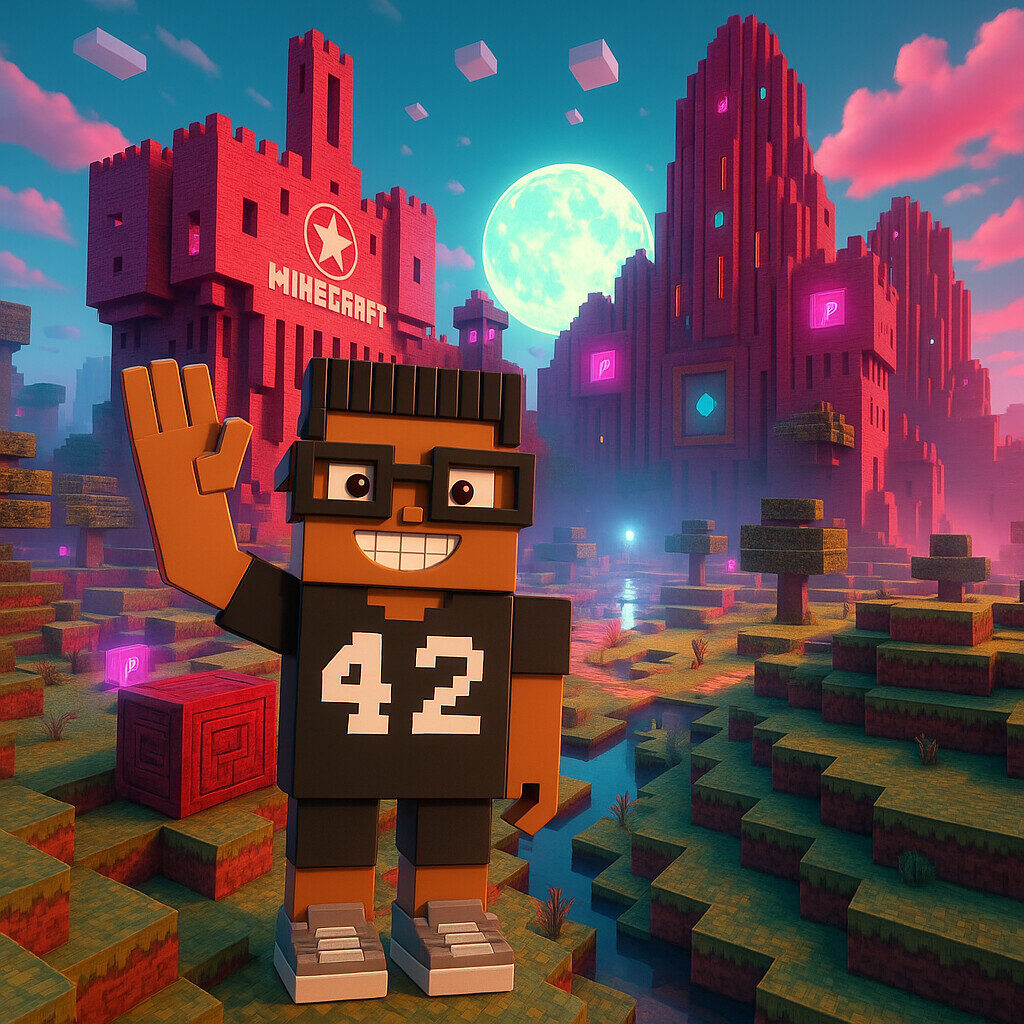
Minecraft has become a cultural phenomenon, with references to the game appearing in music, film, television, and literature. The game’s iconic characters, such as Steve and Creeper, have become synonymous with gaming culture.
In 2015, Minecraft-themed merchandise became available, including t-shirts, posters, and even toys. The game has also inspired numerous fan art projects, with artists creating intricate and imaginative creations based on the game’s blocks and mobs.
Conclusion
Minecraft is a game that has captured the hearts of millions of players worldwide. From its humble beginnings as a small project by Notch to its current status as a global cultural phenomenon, Minecraft has continued to evolve and expand, adding new features and gameplay mechanics that have further solidified its popularity.
As a testament to its impact on education, entertainment, and culture, Minecraft remains one of the most popular games in the world, with millions of players continuing to explore its vast open worlds, build incredible creations, and share their experiences with others.

Related Posts