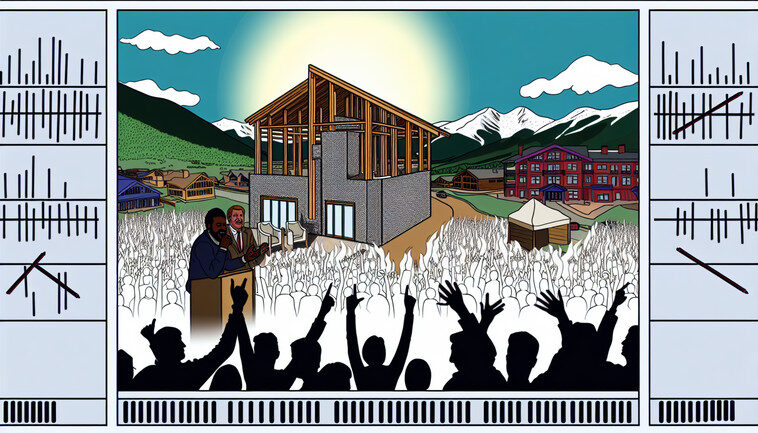
Decoding the Vote: The Aspen Cloud 10 Cabin Debate
In the midst of Aspen’s breathtaking landscapes, a new development project known as the Cloud 10 cabin is poised to leave its mark. However, as with any project of significance, it has sparked lively discussion and debate. Commissioner Kelly McNicholas Kury has stepped into the spotlight, offering clarity on her stance regarding the building of this contemporary structure on Aspen Mountain.
The Cloud 10 cabin, an architectural marvel designed to cater to the luxurious retreat enthusiasts, has drawn both praise and criticism. For some, it represents progress and a new chapter for Aspen’s tourism sector, while for others, it challenges the delicate balance of nature and development. McNicholas Kury’s vote has been pivotal in shaping the future of this development, prompting the necessity for clear communication to her constituents.
Commissioner McNicholas Kury has articulated her position with emphasis on transparency and practicality. She has underscored the importance of considering both economic benefits and environmental impacts, aiming to assure that the development is in line with community values. Her decision echoes the complexity of modern governance, where economic growth and ecological conservation must coexist thoughtfully.
Analyzing the dynamics of Aspen’s growth unveils a pattern familiar in many renowned natural locales: the tension between preserving natural beauty and embracing development. Cloud 10 is more than just a cabin; it is emblematic of broader discussions about sustainable tourism and responsible stewardship of nature. It is a conversation that requires careful consideration from both officials and citizens alike.
The economic prospects of Cloud 10 are significant. The cabin promises to inject new vitality into the local economy by attracting high-end tourists. This influx could support local businesses and increase revenue for community projects. Yet, these benefits must be weighed against potential disruptions to the pristine environment that draws visitors to Aspen in the first place.
From a broader perspective, the decision-making process involving the Cloud 10 project highlights the intricate balance policymakers must navigate in tourism-dependent locales. It brings to light the essential question: how can destinations like Aspen remain attractive without altering the core of what makes them unique? This dilemma is not just local but global, as the pressure to develop often clashes with the necessity to protect.
In conclusion, Commissioner Kelly McNicholas Kury’s clarification on her vote for the Cloud 10 cabin encapsulates a microcosm of today’s developmental challenges. It’s a reminder that true progress stems from a space where development thrives alongside preservation. As Aspen stands on the precipice of change, it must decide how best to evolve without losing the essence that sets it apart. The conversation surrounding Cloud 10 is not just about a cabin—it’s about crafting a future that respects both ambition and nature.

Related Posts