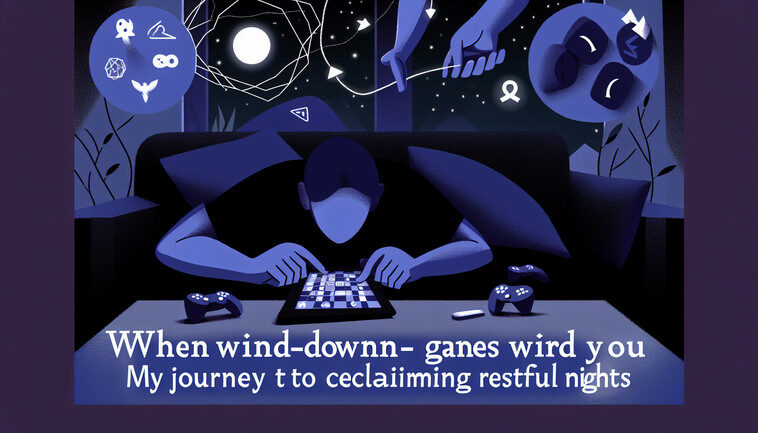
When Wind-Down Games Wind You Up: My Journey to Reclaiming Restful Nights
In our fast-paced world, finding methods to unwind before bed can seem as elusive as winning the lottery. Naturally, I turned to what many consider a modern solution for relaxation: de-stress games. These apps or mini-games promise a soothing transition to dreamland. Yet, ironically, what was intended to calm my mind ended up holding captive my ever-elusive sleep.
The allure of these games lies in their promise of simple engagement. Their marketing suggests an escape from stress without the complexity of a full-fledged video game—just a gentle nudge towards tranquility. However, I found that this ‘gamified relaxation’ was more engrossing than expected. Rather than drifting off, I was wide-eyed, chasing scores and completing levels long into the night.
The science behind this counterintuitive result is intriguing. Sleep specialists often suggest shutting down all screens an hour before bed due to blue light effects and mental stimulation. By bending this rule with game-play, my experiment with de-stress games unwittingly kept my brain active, inhibiting the natural wind-down process. It became clear that while I hoped for calm, I had instead kindled a persistent wakefulness.
Determined to get my sleep back on track, I sought alternative calming rituals. I revisited tried-and-true methods: a paperback book, soothing music without lyrics, and deep-breathing exercises. Initially skeptical about their effectiveness compared to modern tech solutions, I was surprised to find a harmonious balance returned to my evenings.
Adjustments in sleep hygiene complemented this shift. Setting a consistent bedtime, dimming lights an hour beforehand, and reserving the bedroom space exclusively for rest and relaxation began to pay dividends. It was less flashy than apps promising immediate relaxation but significantly more effective.
My struggle with gamified relaxation served as a stark reminder of the complex relationship between our digital environments and physical well-being. Not all technology designed to help us unwind achieves that result; often, more organic, analog methods triumph in fostering genuine rest.
In conclusion, the quest for the perfect wind-down routine is deeply personal. While tech-forward solutions may seem tempting in our digital age, their effectiveness can vary widely. For me, embracing an old-school approach was key. Ultimately, acknowledging what truly works for each of us is the starting point for mastering restful sleep.

Related Posts