Decoding the Mystique: Exploring Lyssa’s Dual Identity in Gaming
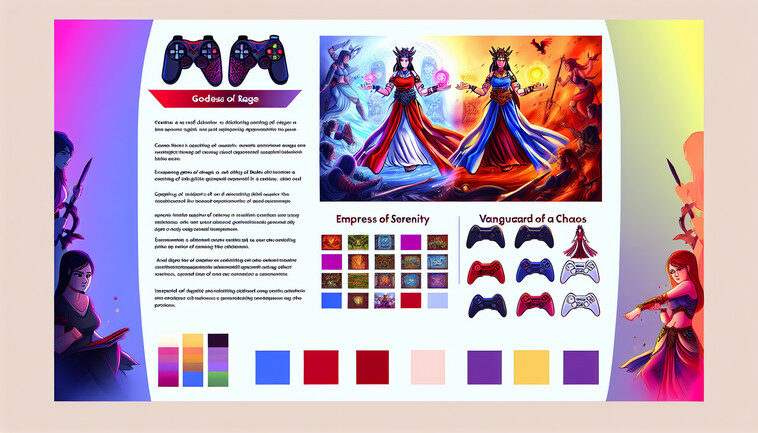
In the dynamic world of gaming, titles are constantly evolving to present unique challenges and experiences to players. One such intriguing entry is ‘LYSSA: Goddess of Rage,’ which promises a riveting mix of real-time and turn-based battles set in a captivating RPG universe. Yet, a twist in the tale unfolds when it appears on Google Play under the guise of ‘Goddess of Love.’ This dual identity makes for an interesting storyline in itself, drawing players into a game that is as enigmatic as it is engaging.
As digital landscapes continue to blur the lines between fantasy and realism, ‘LYSSA’ stands out with its intriguing juxtaposition of rage and love. The character-driven game crafts a rich tapestry of emotions where players must navigate the intensity of rage intertwined with the complexities of love. This contradiction is not only a masterstroke in storytelling but also a clever marketing strategy that keeps the audience engaged and constantly guessing.
The game’s popularity is not just a product of its distinctive theme but also a result of its innovative gameplay. Incorporating elements of both real-time and turn-based battles, ‘LYSSA’ offers players diverse strategic options and challenges. This hybrid battle system demands both quick reflexes and thoughtful tactics, ensuring players remain on their toes as they navigate the storyline.
What truly sets ‘LYSSA’ apart is its ability to blend intense gameplay with deep emotional narrative. Players are not just participating in battles; they are delving into a story that questions the very essence of its titular characters. The dual nature of Lyssa — as both a figure of wrath and of affection — invites players to explore the spectrum of human emotions. The game’s narrative depth encourages players to ponder on whether rage and love are truly opposing forces or if they are more interconnected than they appear.
Another significant aspect of the game’s appeal is its seemingly contradictory yet complementary branding. The mystery behind why it appears as ‘Goddess of Love’ in certain regions or platforms adds an element of intrigue, feeding into the game’s narrative depth. It begs the question of how a character can represent both fierce anger and profound love, promising a richer experience for those who dive into its storyline.
For those eagerly scouring the internet for the latest ‘Lyssa Goddess of Rage’ or ‘Goddess of Love’ codes, the duality extends beyond just theme or gameplay. These codes offer more than mere perks or bonuses; they are keys to unlocking deeper layers of the game, adding another dimension to player engagement. The excitement of uncovering these secrets fosters a community-driven hunt which complements the game’s thematic exploration of duality.
In conclusion, ‘LYSSA: Goddess of Rage’ stands as a testament to the evolving nature of gaming where storytelling, emotion, and interactivity converge. Its ability to oscillate between contrasting themes without losing coherence makes it more than just a game; it’s a multifaceted experience. Whether viewed through the lens of love or rage, ‘LYSSA’ invites players to explore the boundless possibilities within its digital realm. The beauty of this game lies in the balance it strikes between its narrative complexity and engaging gameplay, ultimately offering an experience that is as thought-provoking as it is entertaining.

Related Posts