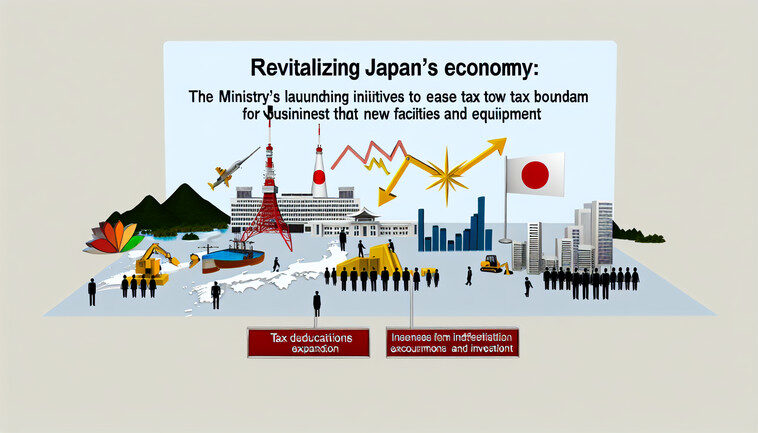
Revitalizing Japan’s Economy: The Ministry’s Bold Move on Tax Reforms
The Japanese government’s latest initiative aims to jumpstart economic growth by lightening the tax load on businesses investing in new facilities and equipment. By expanding tax deductions and introducing the option for lump-sum depreciation, the Ministry of Industry seeks to encourage companies to pump more capital into their operations. This move, if successful, could potentially rejuvenate the economic landscape by stimulating growth in the industrial sector.
Businesses often find themselves constrained by the high costs and risks associated with capital expenditure. The Ministry’s strategic tax measures could alleviate these burdens, making it more feasible for companies to invest in innovative technologies and infrastructure. This, in turn, would not only modernize operations but could also lead to increased productivity and competitiveness on a global scale.
Japan has long been recognized for its technological advances and manufacturing prowess. However, sluggish growth and economic challenges have necessitated bold reforms. By incentivizing capital spending, the government hopes to catalyze a wave of domestic investment that could mirror Japan’s previous economic booms, thereby restoring faith in its markets as a thriving hub of innovation and industry.
The potential ripple effects of this policy are significant. Encouraged investment in facilities and equipment can lead to job creation, skill development, and greater employment opportunities. This, in turn, could increase consumer spending, further fuelling economic growth. With more people employed and earning, the government’s tax revenue could eventually increase, creating a beneficial cycle of prosperity.
However, the success of these measures will largely depend on how effectively they are implemented and received by the business community. Companies might still be wary of potential market volatilities and external economic pressures, such as international trade tensions and global supply chain disruptions. Therefore, clear communication and assurance from the government will be crucial to build confidence among investors.
Additionally, the government must carefully monitor the broader economic impacts of these tax reforms. There is a risk that without proper checks, some sectors may disproportionately benefit while others languish. A balanced approach will be essential to ensure that the benefits are distributed across diverse industries and not concentrated within a few, fostering a more inclusive economic revival.
In conclusion, the Ministry of Industry’s tax initiatives represent a proactive step toward revitalizing Japan’s economic framework. By lightening the tax burden on capital investments, the government not only addresses immediate economic concerns but also sets the stage for sustainable development. As always, thoughtful implementation and comprehensive monitoring will be needed to ensure that this ambitious plan translates into tangible, long-term success for Japan’s economy.

Related Posts