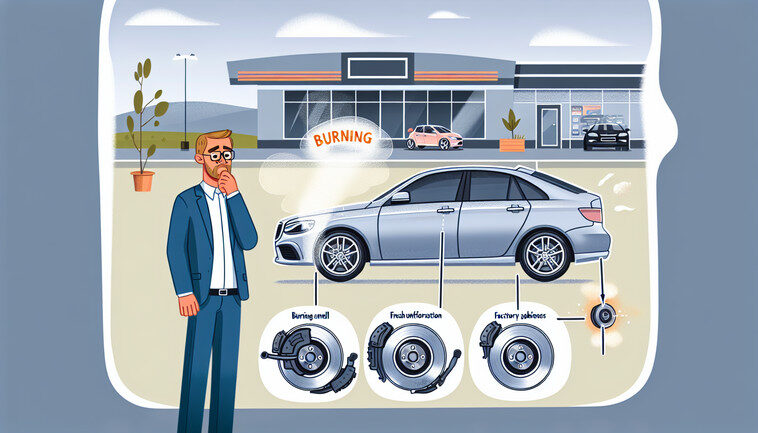
Decoding the Burning Smell of New Car Brakes
You’ve just driven your brand-new car off the dealership lot, and everything from the smooth engine hum to the fresh upholstery aroma is exhilarating. However, your heart might sink a little when the distinct smell of burning wafts into the cabin the first few times you apply the brakes. Don’t panic—this is a common experience for many new car owners, and understanding its roots can ease your worries and enhance your confidence behind the wheel.
The smell you’re detecting often originates from the newness of the brake system components. During the manufacturing process, it’s common for certain materials, such as protective coatings applied to prevent rust while in storage and shipping, to end up on the brake rotors or pads. These coatings burn off during the initial use of the brakes, usually within the first 100 to 200 miles, creating a noticeable smell. It’s important to realize that this is a normal part of the new car break-in period.
Another reason for the burning smell is the process known as ‘bedding in’ or ‘break-in’ for the brake pads. This is where the surface of the brake pads wears down slightly as it conforms to the rotors. The initial friction can create a strong odor as the pads and rotors develop a perfect mating surface needed for efficient braking. In essence, it’s like your car is shaking hands with its new braking system, introducing themselves and getting comfortable.
However, not all situations are benign. If this smell persists beyond the first few drives or becomes particularly acrid after longer use or more aggressive braking, it may indicate an issue. Persistent burning odors can signal problems such as over-tightened brakes, sticky calipers, or malfunctioning brake components. If you’re ever in doubt, it’s wise to consult with a mechanic to ensure your safety and peace of mind.
Despite these potential issues, most instances are resolved naturally. To help ensure that your braking system transitions smoothly through its initial phase, drive gently, especially during your new car’s break-in period. Avoid hard stops whenever possible to ensure the best lifespan for your new brakes. A light touch can significantly reduce premature wear and potential overheating issues.
Incorporating regular checks and a keen awareness of changes in your car’s performance will contribute significantly to its longevity. Just like any new relationship, your car requires a bit of patience and understanding to function optimally. Keeping a watchful eye and an attentive ear can prevent minor issues from escalating into major concerns over time.
To wrap things up, the initial burning smell from your new car’s brakes is usually a normal part of the bedding process, making it a natural occurrence as components settle and adjust. By being mindful of the break-in period and sensitive to any persistent issues, you can ensure your new car remains in peak condition, giving you miles of worry-free driving. After all, knowledge is power, and understanding your vehicle’s workings empowers you to enjoy the ride fearlessly.

Related Posts